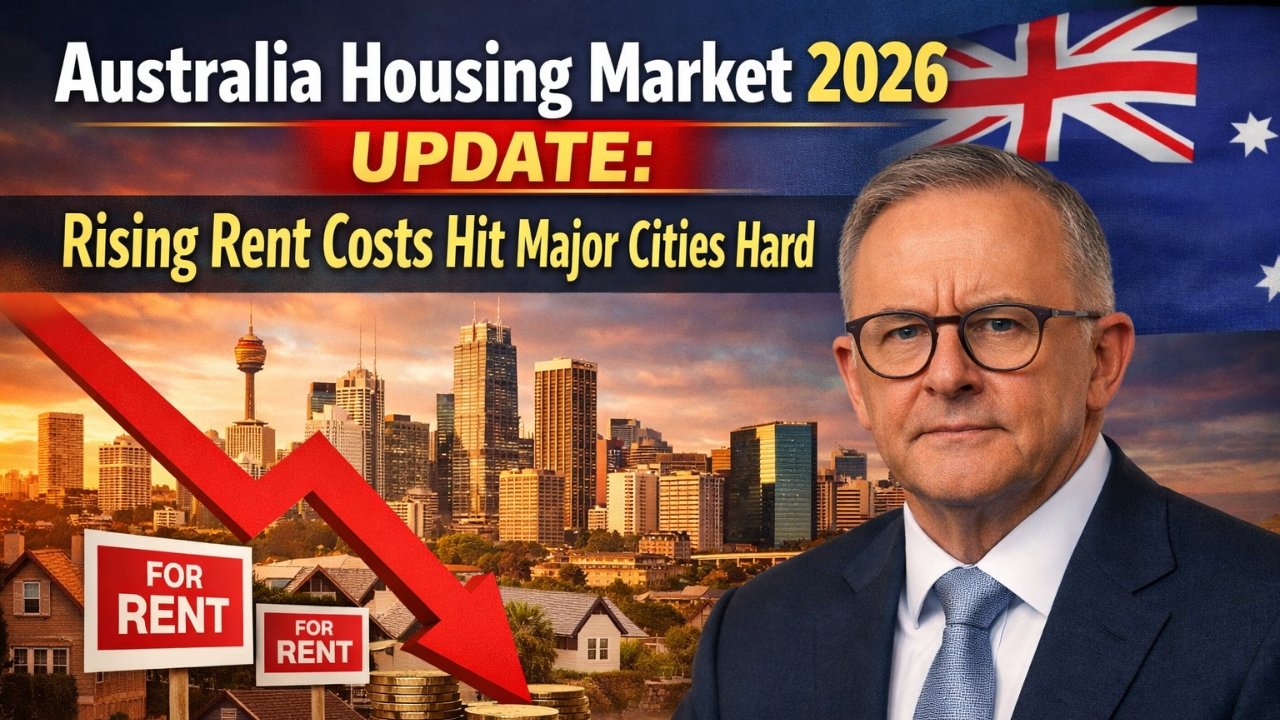
As we look towards the end of 2026, the Australian housing market continues to wrestle with ever-increasing rental prices, especially in the major cities experiencing the largest gaps in demand and supply. According to the latest CoreLogic data, Sourced and analysed by SQM Research, the major cities and their respective median weekly rents of approximately AUD 750 and AUD 650, the cities of Melbourne and Sydney have weekly rents growing 12% annually. These major cities rental prices are increasing due to a combination of a chronic supply deficiency, high population growth as a result of ongoing immigration, and the high rates of interest which continue to keep first home buyers from the market. Families and young professionals bear the biggest burden; as compromises on space or location become the norm, in order to keep up. Over the past decade, I have followed the significant trends in real estate across the Pacific, analysed the market reports from SQM Research and in order to obtain a true market picture, I consulted with agents in the local markets. I have witnessed the pressures of predominantly losing affordability which in turn pushes households to shared accommodation and a move to the outer regions.
The increasing rental prices of regions such as Melbourne and Sydney have resulted major lifestyle changes in the affected tenants. Shorter lease terms, greater bond requirements, and lease continuations are a reality for tenants, especially in the emerging mega cities of Brisbane and Perth where vacancies are less than 1% in some areas. Not only are wages rising modestly growing by only 3,5% annually, there is a growing expectation on the workforce to overcome significant distances to their areas of work. For example, a barista in inner Melbourne may now work in Geelong due to significant changes in the real estate market, ride share and taxi services have also experienced significant increases in fares, and rental prices have increased to the point where they are unaffordable for even the working population. Policies are in the pipeline which are typically reactive. Policymakers are even optimistic enough to propose rental caps. Experts believe that these policies are ill-advised and in the absence of increasing housing supply, will only serve to exacerbate the already critical problems arising from growing affordability in the rental prices of housing.
Supply Shortfalls Fuel the Crisis
The crisis’s epicenter is recurring shortages in Australia’s housing sector, a housing sector complicated by insufficient construction and poorly maintained zoning laws. The Australian Bureau of Statistics notes the completion of new dwellings fell short of the targeted goals by 15% last year, leaving over 100,000 homes entering capital cities still unfinished. Rising costs in construction are blamed by councils, and construction companies blame costs of timber and steel rising 20% and 18% respectively and a shortage of construction workers. For example, the suburbs of Sydney are bound by construction greenfield sites that remain locked by construction bureaucracy.
In 2025, net migration is projected to hit 400,000 international (students) and skilled migrants) and this wave of migration drives up demand for housing. Workers are drawn to employment opportunities in the technology and finance sectors, which are located in central urban areas. They rent housing before it is available on the market. Many of the investors that own 30% of the rental properties have not sold any of their properties due to the capital gains tax incentives in a high interest rate environment. I observe this while reviewing the housing finance data of the last quarter from the Australian Bureau of Statistics. This is the primary reason for the increasing rent demand in any given market which means that more investors will purchase housing and dont offer their homes for rent.
City-by-City Rent Breakdown
To illustrate the scale of the problem, I present the following example of median weekly rent of Australia’s big five capitals for the first quarter of 2026. The data is from the aggregated listings of Domain and Realestate.com.au. The tables have the greatest difference.
| City | Median Weekly Rent (Houses) | Median Weekly Rent (Units) | YoY Increase |
|---|---|---|---|
| Sydney | $850 | $720 | +13% |
| Melbourne | $650 | $550 | +11% |
| Brisbane | $600 | $520 | +14% |
| Perth | $620 | $530 | +16% |
| Adelaide | $550 | $480 | +10% |
Perth is an outlier because of the mining booms, and the sharpest jumps show the greatest increases. With Adelaide, the relative respite is welcome, but even there, renters are reporting weekly increases of $50 or more.
Moves By The Government, Shifts By Investors
There are more interventions being made by the Federal and state governments. The Albanese Government Housing Australia Future Fund of $10 billion is expected to develop 30,000 social housing units by 2027. The state of Victoria, with the new fast-track planning laws, will aim to construct 50,000 social units. Rent caps (which are set by the government at the rate of inflation plus two percent) and capped rent increases give little consolation. Inversely, high yield (4 percent plus gross in Brisbane) attracts investors from other states, and many have changed their model to build to rent, providing purpose-built apartments.
Some industry leaders shared optimistic comments on the Property Council’s recent forums that focus on expected rate cuts. Reduced rates of 3.5% by mid 2026 are anticipated from the Reserve Bank of Australia. This change is expected to unlock construction financing, which should result in 20,000 new apartments annually. Affordability advocates will continue to propose radical reforms, including amendments to negative gearing, in order to increase the housing supply for owner-occupiers and to ease rental market competition.
Outlook: Cautious with headwinds
The housing market is in the middle of a potential recovery or more strain. If the supply chains push more modular housing or other new methods, we could see an end to rising rents in 2026 with a 5% increase in the economy. Things could go up in the air with global economy tensions, new migration waves, or other things. The Gold Coast and Sunshine Coast areas will be attractive with new working styles and offered 10 to 15% lower rents.
Renters will need to negotiate. The best plans will include 12 month leases to avoid increases, as well as look to areas with new and improved infrastructure. The Gold Coast and Sunshine Coast offered working styles and will be attractive with lower rents. Buyers are expecting a 2 to 3% increase in the softer areas like Melbourne. True and bigger relief will remain a long time away. The demand to increase finishing partnerships of $2,000,000 is positive with new partnerships.
FAQs
Q1: Why is rent rising so fast?
Chronic undersupplied, high migration, and economy based on investments.
Q2: Will rent increase all year?
2nd will see new changes, 1st will still be pressured working me.
Q3: How to cope with high rent?
Move users to share housing, stay away from urban vegetation, or share to work. Use budgeting to lower the costs