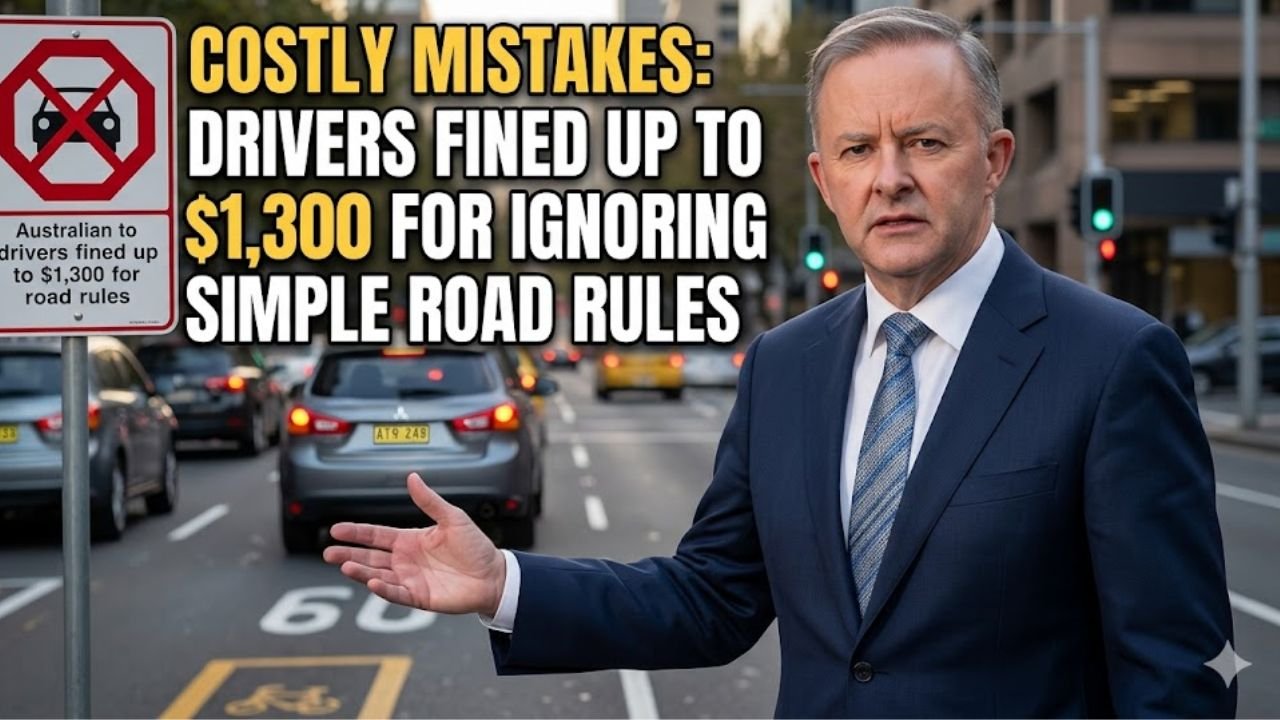
Ignoring dangers on the road can be a cognitive routine for drivers but keeping the road safe is a much bigger challenge. In 2026 road safety enforcement is on a whole new level. Instead of using human standard road enforcement, they have switched to persistent AI surveillance. What would normally be a warning, a speed trap, or the cyclist driver failing to see the persons behavior is now a ticket. What is being classified in places like Australia and the UK, as minor infractions by human enforcement (cell phone use at a red light, unbuckled passager, as a rear passenger, etc,) are receiving penalties of $1300 in road safety due to the level of road human error being pushed to the limit. Revenue generation is very high but the human error of road safety is being removed.
Rise of AI Surveillance and Precision Enforcement
The era of “getting lucky” is virtually over. In early 2026, several new regions began deploying AI systems with high-definition infrared “peeping” capabilities and cross the windshield and black out the driver. These systems are trained to detect the unique driver’s arm skeletal structure and differentiate between an itch on the left ear and an actual smartphone hold. Because the systems are running non-stop, the number of citations is rising consistently. A driver’s “safety” when checking a notification at a red light is now an offense in the form of “Distracted Driving” claims that are appropriately costly. The ultra precisions of these technologies lead to an offense in traffic court even without legal room to defend it.
Current Penalties for Drivers Fines
Every driver should know how new fines are structured to keep money in their wallets. Fines have increased overall, but “behavioral” fines have seen the biggest jumps. For example, in some states in Australia, a mobile phone fine plus its associated victim support levies cost $1,209. In the UK, failing to secure a child in a restraint system can mean a court fine of £500 ($630) and a punishment of points on your license. Driving in 2026 has the following “expensive mistakes” in the following table:
| Offense Type | Average Fine Range (USD/AUD/GBP) | Additional Penalties |
| Mobile Phone Use (Handheld) | $1,000 – $1,300 | 3 to 6 Demerit Points |
| Running a Red Light (AI Detected) | $450 – $600 | License Suspension Risk |
| Seatbelt Violations (Per Person) | $350 – $1,100 | Double points in holiday periods |
| Reckless Driving (Social Media Filming) | $1,500+ | Vehicle Impoundment (60 Days) |
| Expired Digital Documentation | $200 – $500 | Immediate Vehicle Seizure |
The Unseen Costs of Infraction
There is how a $1,300 ticket immediately impacts a driver’s bank account, but then there are the impacts on the bank account that go on for a long time. Risk-Based Pricing has caused a major shift in how insurance works today. Each time there is a run-in with the law, the insurance rates are increased.
An annual insurance premium increase of 25% to 40% is likely to occur with a single distracted driving charge. Insurers see a usage charge as a strong indicator of a future total-loss claim. In addition to this, many employers have tightened their “clean-skin” policies with regards to company vehicle driving. In some cases, a single driving mistake, such as not coming to a complete stop at a stop sign, can lead to losing a company vehicle and even losing a job that involves driving. This is a cascade effect where a several hundred dollar driving fine can lead to a loss of several thousand dollars a year.
Driving Under New Policies
In order to adapt to these policies, a new way of thinking is needed. To be “fine-proof”, many experts believe that fully automated driving or at least having an automated driving system is crucial. This involves prioritizing the car’s settings for the journey ahead, including the music and GPS routes, before the vehicle moves from the driveway, and putting the Do Not Disturb feature on the phone to avoid answering texts. With the new road safety amendments coming into effect in February 2026, the driver will be held accountable for the actions of passengers. If a back-seat passenger unbuckles their seat belt, you could face a $1,000 fine and points on your license. Managing everything inside the vehicle and outside becomes a higher level of vigilance for all drivers.
FAQs
Q1 Can I get a ticket for my car being stopped with the engine running?
Yes. While each jurisdiction has its own definition of the practice of “operating a vehicle” with some vehicles being stationary and others being portable, the number of fines for using a handheld device has increased the most in 2026. This includes being in the active use of a vehicle at a red light or stop and go traffic, and being in the active use of a vehicle in a traffic jam.
Q2 Are AI cameras always watching?
AI traffic cameras are supposed to only take pictures of vehicles when there is a traffic violation, but they are always on and always watching. They also use infrared to see in the dark, so they are always watching.
Q3 What if I want to challenge a ticket because I think the AI made a mistake?
Most places are supposed to let you challenge the ticket, but there are some places where the AI is supposed to be the controller of the device. If you are able to demonstrate that the item you were holding was not a mobile device, you may be able to convince someone that you are able to prove it. However, the success of these types of appeals is supposed to be very low.