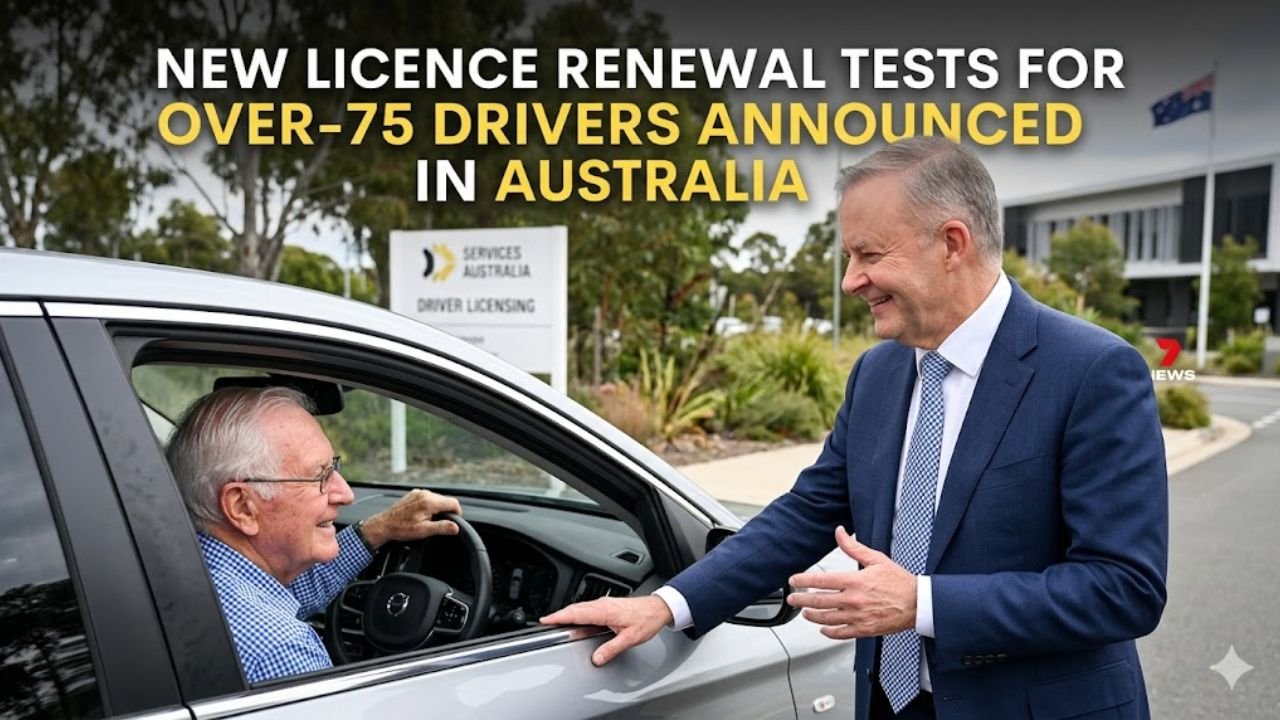
From 2026, there will be new driver safety regulations in Australia focused on the age and safety of older drivers. For countless Australians aged 75 years and older, having a driver’s license means having freedom. Having the ability to drive provides opportunities to connect with others and allows people to stay active. With Australia’s population growing older, age-related changes in driving skills must be considered. Changes will focus on improving the required medical assessments and simplifying the processes. Road authorities want to make sure every driver has the mental and physical ability to drive safely and manage the demands of modern roads.
What are the 2026 Changes to Medical Reviews?
The primary focus of the 2026 changes was to create a standardized process for medical reviews. While New South Wales and Queensland would have vastly differing requirements, for the first time, a national framework has been developed. Drivers turning 75 are now obliged to complete an annual medical review with their General Practitioner (GP). It is important to point out that GPs are no longer allowed to conduct superficial reviews. New regulations require GPs to evaluate and document a driver’s contrast sensitivity, peripheral vision, cognitive processing speed, and other age-related concerns. Should a GP identify any concerning issues, they must refer the driver to an Occupational Therapy (OT) driving assessor. This is a great change as functional ability will now determine the right to drive, not age. It strikes the right balance by allowing competent seniors to drive, while ensuring that seniors who may be unsafe to drive are restricted.
Beginning of Conditional Licences and Tiers
An example of a positive change coming in 2026 is the advancements in conditional licensing. Instead of simply saying if a senior is allowed to drive or not, they can create data-based “tiered licenses”. These provide a way for seniors to drive again, as long as they do not pose a personal health risk. As an illustration, one driver may be licensed to drive only during the day if their night vision is poor. One driver may be licensed to drive only during the day if their night vision is poor. One driver may be licensed to drive only during the day if their night vision is poor. One driver may be licensed to drive only during the day if their night vision is poor. One driver may be licensed to drive only during the day if their night vision is poor. One driver may be licensed to drive only during the day if their night vision is poor. One driver may be licensed to drive only during the day if their night vision is poor. This table contains the main causative factors and the most frequently used conditions in the updated 2026 regulations.
Summary of Senior Driver Assessment for 2026
| Assessment Category | Frequency | Common Licence Conditions Applied |
| Vision Screening | Annual | Corrective lenses required; Daylight only driving |
| Cognitive Health | Every 2 Years | Radius-restricted (e.g., 10km from home) |
| Physical Mobility | At Renewal | Vehicle modifications (e.g., spinner knobs) |
| On-Road Test | If Requested | Automatic transmission vehicles only |
| Hearing Check | Every 5 Years | Additional side-view mirrors mandatory |
Role of MyGov Portal and Digital Integration
As part of the digital evolution of the country, the licence renewal system for over 75’s for 2026 has fully incorporated MyGov and digital health records. This change has eliminated the “paperwork fatigue” that seniors have experienced over the years. Medical certificates will now be uploaded digitally from clinics to the state transport authorities (e.g. VicRoads, Transport for NSW). While this system will provide real time updates, and documents won’t get lost, it will also be the first time the government has dealt with a phone line to complete the process as a manual option. This hybrid approach to the renewals means that people are not left behind simply due to a lack of digital knowledge and it also increases the speed of the process for the majority of applicants.
Focus on Safety and Independence
With 2026 changes, the focus is on proactive safety as opposed to reactive restriction. Transport specialists claim that minor health issues can be addressed and seniors can make adjustments such as changing to a safer vehicle or taking a driving ‘refresher’ which can extend their driving career. Additionally, the 2026 regulations emphasize E-E-A-T by bringing in policies from specialized geriatricians. The aim is to eliminate the ‘losing your license’ stigma and replace it with ‘supported mobility’. For those that do stop driving, the new regulations offer better community transport subsidies so that an end to driving does not mean an end to active participation in the community.
Your Renewal Tips
With seniors having to follow new procedures to get a renewal, preparation becomes extremely important. It is recommended to get necessary medical checkups done as early as possible (at least 2 months prior to the renewal). The reason is that you may have to see a specialist in follow-up appointments, and you don’t want to run out of time. Additionally, when speaking to your regular health care provider, it may be beneficial to be honest about how your driving has been, including the challenges you try to manage. For example, if you feel that you are getting too anxious in the car when it is really crowded or you have to check for cars in the blind spot a lot, and you have neck problems that may make it difficult to turn your head. With all of that being said, as these policies continue to be enacted, at least the 2026 changes will be enabling seniors to drive.
FAQs
Q1 Are people 75 years and older required to take driving tests each year?
Not at all. Unless your GP is worried about your vehicle control and you are considered to be at fault in a car accident, then this is the only reason a practical driving test will be necessary.
Q2 I have been recommended to have a conditional licence. What does that mean?
A conditional licence means that you will be permitted to drive, but it will be under certain conditions. For example, you may only be permitted to drive within your local area, or only during certain hours of the day. The benefit of this is to help you keep your independence while addressing a medical concern.
Q3 Can I challenge a decision if my licence renewal is refused?
Yes, each state has a process for appealing so you can get a second opinion from a different reviewer or you can do an independent functional driving assessment to demonstrate your skills for driving.