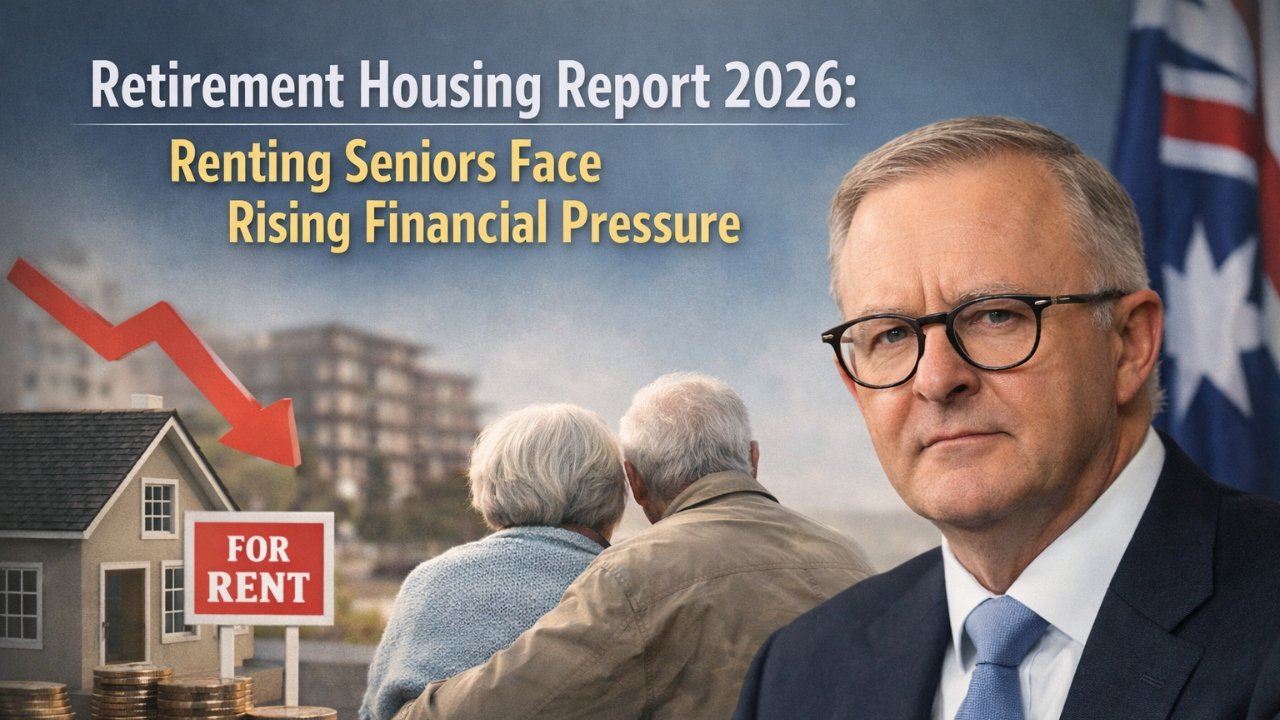
Seniors who rent instead of owning some of the homes entered the year 2026 with some problems. Fixed-income retirees have a lot of problems. They have to deal with the problems coming from increases in rent and the cost of goods and services. In the United States and Europe, age-restricted community rentals have seen a record average rental price increase of 8.2% per year, while Social Security payments have had a 2.5% increase. These problems continue to compound for the 12 million senior citizens in the United States that have become full-time renters, a demographic that has increased by 15% since the year 2020. They have delayed selling assets and/or have a mortgage reset. Using HUD’s rental survey and AARP’s retirees poll, this report explains the reason retirees renting feels like an endless fight and presents some alternatives for retirees.
What caused these problems to grow for retirees?
Directly, the developers and landlords named the rapid increase in demand from the baby boomer generation. National Multifamily Housing Council stated that the pandemic created a construction backlog, creating a deficit of 2.5 million senior citizens rental units. Unless the units have basic aging renter amenities, such as grab bars, wider doorways, and onsite wellness centers, they are not available. Approximately 40% of seniors move to Arizona and Florida for the warm weather and the services, making these areas very hot. A single bedroom is now priced at $2,100, which is an increase from $1,800 rent from 2024. Fixed-income seniors have it the worst. About $3,200 of income per month is allocated to rent from a joint income of $3,200 between Social Security and pension income coming from a retired couple, making only a small amount available after the rent increase. They have to choose between necessities and luxuries. These problems are caused by the high costs in the California rentals.
The Hidden Toll on Health and Security
Rising rents cost more than money; they cost stability. The number of renters over 65 who have experienced eviction has increased by 22% from 2025. Eviction and relocation can cause health-related impacts due to stress. Many seniors skip medication and meals because of rent. In AARP’s 2026 survey, 28% of seniors reported being food insecure. Moving also affects seniors with mobility issues, especially if they have to leave their community, which can increase feelings of isolation and the risk of cognitive decline. In the UK, the same situation affected 18% of renting pensioners last year. If no action is taken, this will cause seniors to go through their savings too quickly and will increase the Medicaid rolls.
| Region | Avg. 1-Bed Rent | YoY Increase | % of Retiree Income |
|---|---|---|---|
| Northeast | $2,450 | 7.5% | 38% |
| South | $1,950 | 9.1% | 32% |
| Midwest | $1,720 | 6.8% | 29% |
| West | $2,680 | 10.2% | 42% |
| National Avg. | $2,200 | 8.2% | 35% |
This table, compiled from HUD and Census data, highlights disparities driving retiree stress.
Negative impacts of Government and Market Responses
Policymies are still behind the crisis. The expansion of section 8 vouchers by 10 % in 2026 is a good step, but waitlists are stretched far and long, helping 1 out of 5 eligible seniors. The tax credit of senior housing developers is a way to facilitate the easing of the problem, and with so much red tape, the approvals are particularly slow. Private co-housing models in Colorado, where rent is capped at 25% of income via shared equity and has successfully serviced about 5,000, have created a little bit of space for a little bit of private innovation. Many still feel no relief. Political stagnation has blocked movement with so many other visible recessions of growth, and so the Urban Institute, other experts, and many have had to find other ways to describe, in so many words, the establishment of so called “rent stabilization zones.”
Pathways Forward: Smart Strategies for Renting Seniors
While retirement and renting are not losses of power, the point is that so many other alternatives are available that cost a lot less than the supposed pirate programs of Senior Living Communities that have proven to have reduced costs by 20-30 %. A move to a less expensive suburb in the sun belt like the hill country of Texas would still yield a 15 % cost saving with no sacrifice to desirable sunbelt climates. Budgeting, as it is continues to assist many seniors; rent tracking apps help to forecast rent increases, and SilverNest (claimed) pairs housemates based on success and reliability of vetting. Most long-term. Most years, lobbying for changes to AARP Chapters is a form of community, recommending much of what is described above. It is without the stigma of a lifeboat when others are still in the same boat.
FAQs
Q: Are rents rising everywhere for seniors?
A: Mostly yes, but Midwest markets relatively lag at 6-7 % increases.
Q: Can seniors get rental assistance quickly?
A: Waitlists are everywhere, and so local non-profits are often faster than federal assistance.
Q: Is buying better than renting in retirement?
A: For some, yes. Homeownership is better because it locks in costs. The high price for entry, however, stops many.