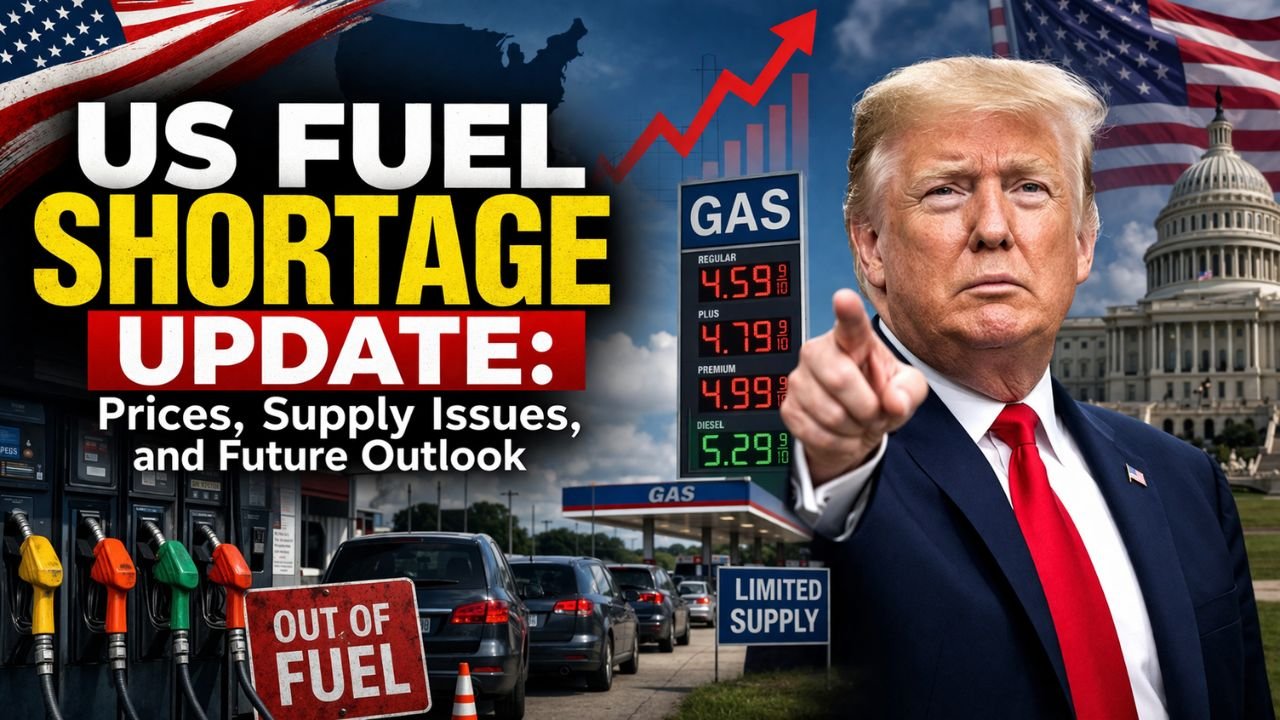
challenged fuel prices. Here we will address fuel prices The obstacles of fuel challenged fuel prices. Here we will focus on fuel The average American has seen prices The average American has seen prices increasing by 4.12 on his/her fuel tickets, which is a great price increasing the average price increasing the average price increasing the average price increasing the average price increasing to the average prices increasing to the average price increasing to the average price increasing to the average price increasing to the average price increasing to the average price increasing to the average price to the average number of tickets, fueling to 12 months prior and tickets dated 12 months.
Regional Disparities and Refining Bottlenecks
The most notable feature in the current fuel market is the rampant variation in how much gasoline costs from state to state. While prices remain close to $3.80 in Texas and the Gulf Coast due to lower state taxes and proximity to refineries, the price to fill up on the West Coast is painful. In California, for example, prices for regular gasoline have skyrocketed to $5.93 and prices for diesel are over $7.60 in some areas. These differences are primarily due to `bottlenecking’ in the refing process. Although the United States has high domestic crude production (an average of 13.6 million barrels/day), the ability to refine that crude into gasoline and diesel is limited. There is a balance of refiners and a maintenance cycle at the facilities, and since refiners have not been built in the last decade, the price of gasoline and diesel responds quickly to localized supply disruptions, such as a broken pipeline or a storm at the coast.
| State | Regular Gasoline (Avg) | Diesel (Avg) | Supply Risk Level |
| California | $5.929 | $7.685 | High (Refining) |
| Florida | $4.198 | $5.810 | Moderate (Logistics) |
| New York | $4.069 | $5.914 | Moderate (Imports) |
| Pennsylvania | $4.152 | $6.088 | Moderate (Aging Infrastructure) |
| Texas | $3.824 | $5.212 | Low (Production Hub) |
Global Oil Market: Geopolitical Risks and the Global Oil Surplus Paradox
Surplus and risk might best characterize the global oil market today. Despite the fact that global production is technically going to exceed demand by almost 1.9 million barrels per day this year, entities like J.P. Morgan and the EIA note that geopolitical ?risk premiums? keep pricing high. There is a global pricing decoupled: the quantity of oil produced in the U.S. and the expected decrease in price at the gas station in the U.S. As a result, the U.S. is experiencing the highest level of domestic oil production.
Energy Affordability and Resilient Infrastructure
The major shifts happening in policy today regarding the future of the U.S. electric grid show that by the end of 2026, Washington is prioritizing energy affordability than the energy transition. Outlooks of the Power and Utilities industry describe the most significant challenge as the ability to deliver what they call “firm capacity” to an overstressed and underperforming grid and transport systems. There is a renewed bipartisan push for U.S. grid modernization and expeditious energy project, (i.e. pipelines, small, modular nuclear reactors), permitting. These are, however, very long-term approaches to a very short-term problem. The industry is currently betting on operational flexibility and demand management through inventory drawdowns. There is hope that once the seasonal spring maintenance is completed at refineries, the supply of finished gasoline will increase and begin to lower gasoline prices by the 3rd and 4th quarters of 2023.
Future Outlook: When Will Consumers See Relief?
The year 2026 may come with some cautious optimism, but we still have to be realistic. If the Strait of Hormuz stays open and trade resumes normally, it is predicted that the price of Brent crude oil will fall to around $70 per barrel towards the end of 2026. If this happens, the national average price of gas will be around $3.30. A lot of this depends on the Middle East and the occurrence of hurricanes in the Gulf of Mexico. The price of gas will continue to fluctuate with demand and the supply will not get better until the end of the year. The shortages we are experiencing are not due to a lack of crude oil, but rather the lack of ways to quickly, cheaply, and efficiently transport and refine the crude.
FAQs
Q1 Is there a physical shortage on gas in the U.S gas stations?
There are no widespread shortages in the gas supply. The primary difficulties are associated with temporary but significant disruptions in the supply chain, refinement capacity limitations, and elevated costs due to warfare and other geopolitical tensions.
Q2 What are the reasons that gas prices are different in California and Texas?
There are more stringent environmental regulations, higher taxes on gas, and less ability to produce gas in California compared to Texas. In Texas, regulations are far more lenient and gas prices are low due to its proximity to the oil reserves.
Q3 When can we expect fuel prices to drop?
As long as global conflicts remain unchanged, and refinery production returns to normal after spring maintenance, market analysts expect prices to decline gradually during the second half of 2026.